Wondering what everyday life in Louisville really feels like? Picture a Saturday that starts with coffee and brunch along Bardstown Road, a midday loop through Cherokee Park, an afternoon stroll across the Big Four Bridge, and a bourbon tasting before a local theater show. You want a place with character, good food, and room to grow without big-city prices. This guide walks you through neighborhoods, commutes, culture, parks, and practical tips so you can choose the right fit with confidence. Let’s dive in.
Louisville at a glance
Louisville blends a lively urban core with historic streetcar-era neighborhoods and easy-access suburbs within Jefferson County. The city is home to the Kentucky Derby, a strong bourbon culture, and a growing food and arts scene. Your day-to-day experience depends on where you live, from walkable corridors to quiet cul-de-sacs. With a consolidated metro government, services and amenities are well integrated across the county.
Neighborhood snapshots
Highlands
Centered on the Bardstown Road corridor, the Highlands offers a mix of historic homes, local shops, and a strong dining scene. You can run errands on foot, grab coffee, and get to parks quickly. Nights are lively on the main streets while side streets feel residential. Expect a blend of older houses, condos, and small multifamily buildings.
Old Louisville
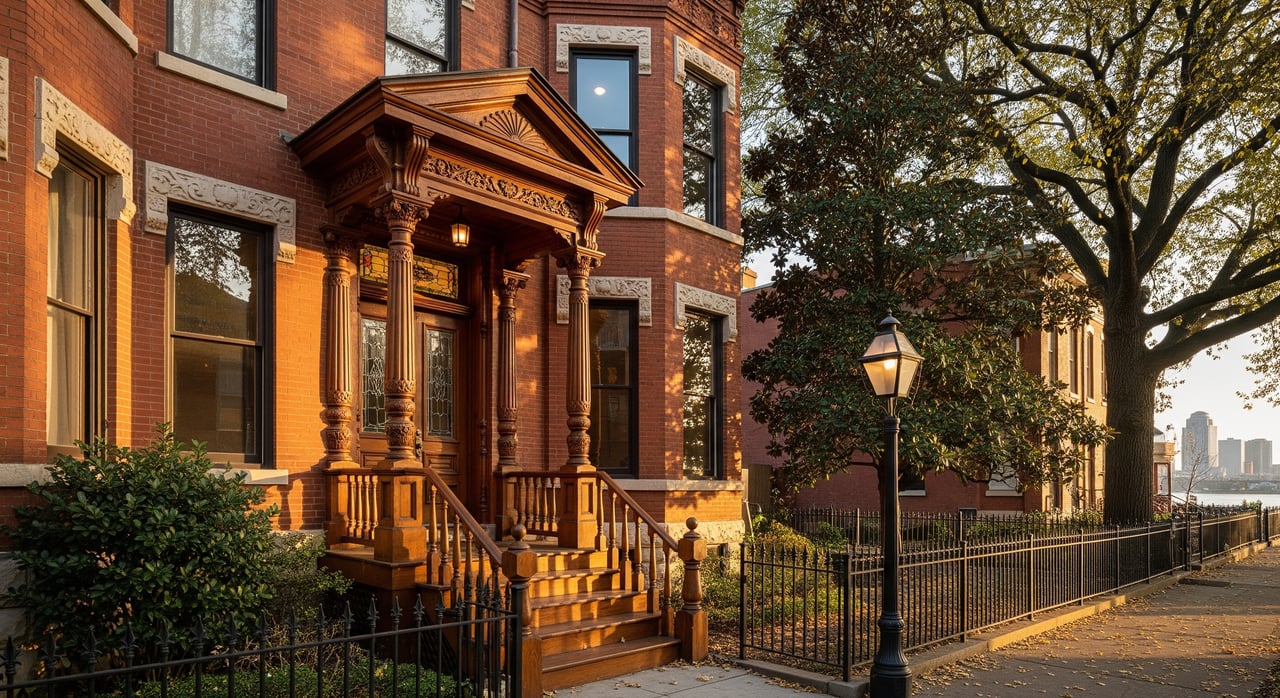
Old Louisville features one of the largest collections of Victorian architecture in the country. Streets are leafy, and homes show intricate detail and craftsmanship. You will find a mix of apartments, condos, and single-family options. Cultural spots and the university are nearby, which keeps the area active year-round.
NuLu and Butchertown
NuLu (East Market District) and neighboring Butchertown are known for galleries, chef-driven restaurants, and creative offices. Newer condos and loft-style living mix with historic structures. It is a go-to area for nightlife, coffee, and weekend markets. If you like a car-light lifestyle, this corridor can work well.
Germantown
Germantown offers classic shotgun homes, bungalows, and growing pockets of renovation. Its local eateries and breweries draw steady weekend crowds. Many streets are quiet and residential, with a practical, close-to-downtown location. First-time buyers often explore this area for value and community feel.
Crescent Hill and Clifton
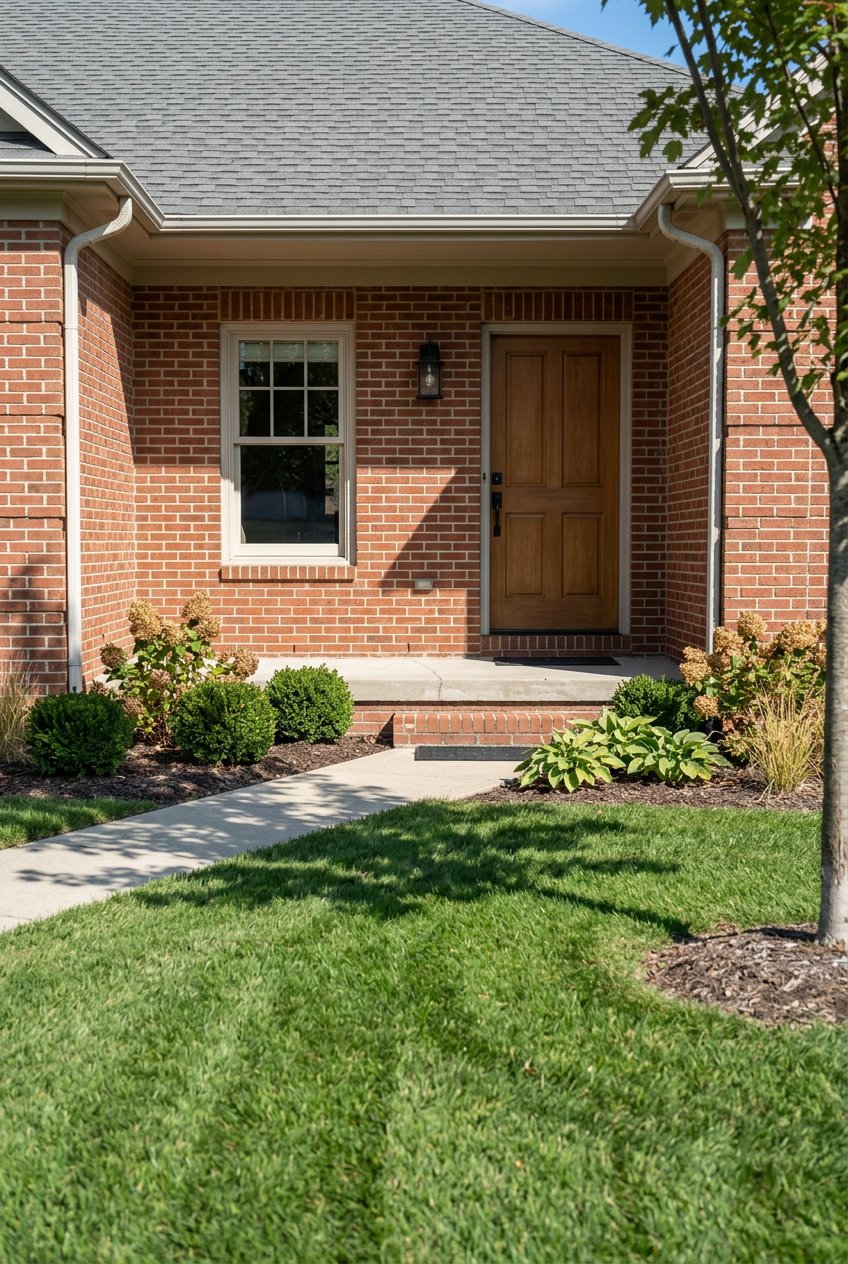
These adjoining neighborhoods have small business corridors, pocket parks, and charming older homes. You can find front porches, walkable blocks, and quick access to dining and services. The area balances neighborhood calm with easy access to major roads. It suits buyers looking for character without being in the center of nightlife.
St. Matthews and eastern suburbs
St. Matthews offers established neighborhoods, shopping, and a central suburban feel. Drive farther east to Middletown, Jeffersontown, and Prospect for larger lots and newer subdivisions. Many families choose these areas for space and access to amenities. Daily life here is typically car-centric with plentiful retail and parks.
Housing fit by buyer type
- First-time buyers: Explore Germantown and parts of South Louisville for affordability, plus select western neighborhoods. You will find a mix of renovated homes and properties ready for updates.
- Families: Consider Jefferson County suburbs such as St. Matthews, Middletown, Jeffersontown, or Prospect. Some buyers look to Anchorage and parts of eastern Jefferson County for larger lots and established neighborhoods.
- Downsizers and condo-seekers: Look to downtown, Butchertown, NuLu, and the Highlands for walkability, services, and condo options.
- Investors: Focus on areas near the university, downtown redevelopment corridors, and neighborhoods with rising short-term rental demand. Always review current local ordinances before you decide on strategy.
Work and commute
Louisville’s job market spans logistics, healthcare, manufacturing, education, and tourism. UPS Worldport at Louisville International Airport anchors a global logistics hub that supports many related businesses. Healthcare systems and the University of Louisville drive significant employment and research. Bourbon, hospitality, and visitor experiences add to the local economy.
Most commuters drive, with major interstates I-64, I-65, and I-71 shaping traffic patterns. TARC bus service covers core corridors, though many suburbs have limited routes. In central neighborhoods, you can combine walking, biking, and buses more easily. In outer suburbs and exurbs, plan for longer car commutes, often 20 to 40 minutes or more during peak times.
Daily life: food, culture, outdoors
You will taste Louisville’s identity through its bourbon heritage and local foods like the Hot Brown. The dining scene blends long-standing favorites with farm-to-table concepts, craft breweries, and a strong coffee culture. Arts and culture thrive through institutions like Actors Theatre, the Louisville Orchestra, and neighborhood galleries. The Kentucky Derby energizes the entire city each spring, from parties to parade events.
Green space is a daily luxury. Frederick Law Olmsted–designed parks, including Cherokee and Iroquois, offer winding paths and sweeping lawns. Waterfront Park and the Big Four Bridge connect you to river views and miles of multi-use space. Jefferson Memorial Forest brings true trail hiking within a short drive, and the Louisville Loop continues to tie together segments of bike and pedestrian paths across the metro.
Schools, healthcare, and services
Jefferson County Public Schools serves most of the county, with performance and programs that vary by zone and school. Private and parochial options are available throughout the metro. For higher education, the University of Louisville anchors research, athletics, and cultural life.
Healthcare access is strong, with multiple hospital systems and specialty centers located across the city. Safety conditions differ by neighborhood and can change over time. For due diligence, review recent police reports, local crime-mapping tools, and neighborhood association updates as you compare addresses.
Louisville’s climate is humid subtropical. Expect hot, humid summers, cool winters with occasional snow, and pleasant spring and fall seasons. Severe thunderstorms can occur, and low-lying areas near the Ohio River can see heavy rain and periodic flooding.
Cost of living basics
The cost of living is generally below many large U.S. metros, with housing a major factor in that affordability. Property taxes are often lower than in many other markets, and Kentucky has state income and sales taxes. Utility, internet, and municipal services are similar to what you find in other midsize cities. Always verify current tax rates and utility offerings for the specific property you are considering.
How to choose your Louisville location
- Define lifestyle first: Do you want walkable nightlife, a quiet street, or bigger yards and a shorter school run?
- Map your commute: Test-drive routes at peak times and consider proximity to I-64, I-65, or I-71 if you drive.
- Check transit options: Review TARC routes and frequency along your daily corridors.
- Explore parks and trails: Visit nearby Olmsted parks, Waterfront Park, and Louisville Loop segments.
- Research schools carefully: Use JCPS boundary and program resources, and confirm private options.
- Review safety and data: Check local crime maps, speak with neighbors, and review recent reports.
- Walk the block: Visit at different times of day to get a true feel for noise, traffic, and parking.
Ready to find your fit and move forward with clarity? Connect with Amy Evans for compassionate, detail-focused guidance on neighborhoods, new construction, pricing, and a smooth, confident move. Schedule a free consultation.
FAQs
Is Louisville a good place to raise a family?
- It depends on your priorities, so compare neighborhoods by school options, commute time, access to parks, and daily amenities, then visit at different times of day.
How long are typical commutes from suburbs to downtown Louisville?
- Many suburban commutes run about 20 to 40 minutes during peak hours, while central neighborhoods can offer shorter drives or even walk and bike options.
How safe is Louisville for residents?
- Safety varies by neighborhood and can change, so use current crime maps, talk with neighbors, and review recent police reports for addresses you are considering.
How vibrant is Louisville’s food and nightlife scene?
- Dining and nightlife cluster in the Highlands, NuLu, and Butchertown, while many suburbs offer a more retail-focused scene with growing local options.
What outdoor recreation does Louisville offer?
- You will find Olmsted parks, Waterfront Park, the Big Four Bridge, Jefferson Memorial Forest, and expanding Louisville Loop segments for walking, running, and cycling.
What is the Louisville job market like?
- Major sectors include logistics tied to UPS Worldport, healthcare and life sciences, manufacturing, education, and tourism connected to bourbon and events.
Is public transit usable in Louisville?
- TARC buses serve core corridors well, but service is limited in many suburbs, so most residents rely on cars for daily transportation.
Which Louisville neighborhoods have historic homes?
- Old Louisville, Crescent Hill, Clifton, and parts of Butchertown and Germantown feature significant historic architecture and character.